
Support Our Work
Support Home-Based Childcare
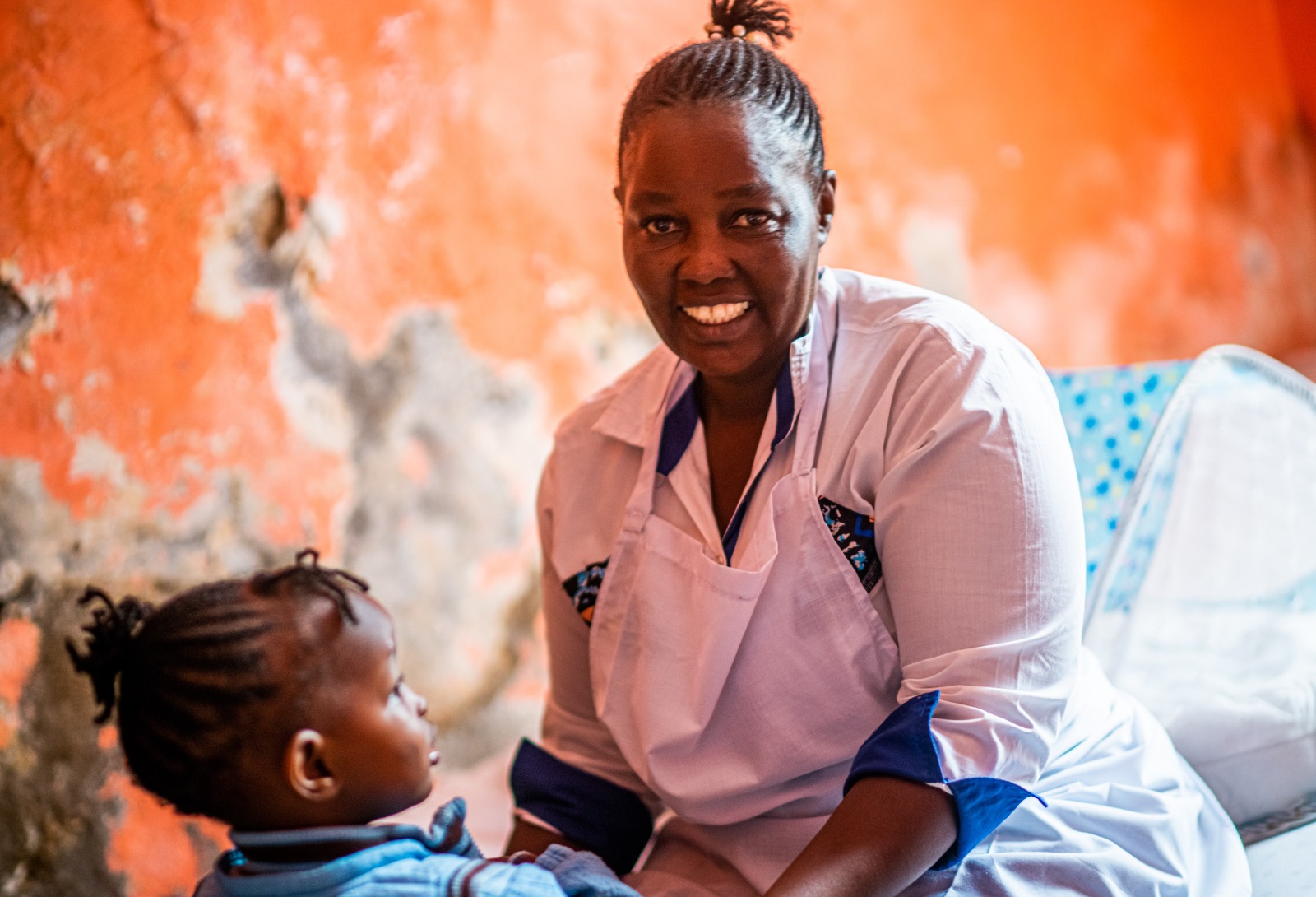
The first five years of a child's life determine more of their development than any later period. In those years, the person who shows up every day — feeding, playing, talking, caring — is often not a teacher or a government employee.
It is a Home-Based Childcare Provider: a woman in her own home or a rented space in her community, providing care that families cannot survive without.
She is doing some of the most important work in early childhood development. And she is doing it without registration, without training support, and without fair pay.
The Case from Science
Evidence confirms that quality early care in the first three years of life shapes brain architecture, educational outcomes, and lifetime earnings. Children who receive nurturing, stimulating care in these early years are healthier, learn more effectively, and earn more as adults.
The economic return on investment in quality early childhood care is among the highest of any public investment.
Governments and funders that invest in early childhood care generate compounding returns across health, education, and economic productivity.
Home-Based Childcare is where the majority of this care actually happens in low- and middle-income countries. It is not an informal workaround — it is the system. HBCC also exists in every country, including high-income ones — the investment gap is greatest in LMICs, but the challenge is universal.
The Case from Women's Economic Equity
Home-Based Childcare Providers are part of the informal economy.They work without contracts, without social protection, and without the minimum wage guarantees that apply in formal childcare. In Kenya, our research found that the average Provider spends more per child than she earns. She sustains the system on her own resources.
The children in that Provider's care — the youngest children, who are often in HBCC during the most critical years of their development — miss out on essential nutrition, early learning, responsive care, and safety when the HBCC system is unsupported.
The women who receive this care, the women who deliver it, and the children who depend on it — all are held back when the system fails.
This is a systems problem — one that policy and funding can fix. Recognising HBCC Providers as workers, connecting them to social protection, and building financing pathways to a living wage is both a development investment and an act of economic justice.
When you fund NurtureFirst, you invest in the policies, training, and financing infrastructure that transforms how Home-Based Childcare works:
Registration and recognition
so Providers are formally visible to government and eligible for the services they need
Quality training
practical, accessible, and designed for home-based settings, not formal classrooms
Financing pathways
so Providers can earn a living wage for the care they provide
Provider voice
through Kenya's National HBCC Providers Association, so Providers organise and advocate for themselves
Every investment in NurtureFirst is an investment in:
Children who will develop better, learn more, and earn more
Women workers who will move from invisible, uncompensated labour to recognised, fairly paid work
Parents — especially mothers — who can participate in the economy
Communities whose care infrastructure becomes sustainable, government-supported, and locally owned
5,350 providers. 21,784 children. 99% unregistered. We know exactly where the gap is. Fund the systems to close it.
Support the systems that make childcare work.
Help build a stronger, fairer future for children, women workers, parents, and communities.
