alt

NurtureFirst is a systems catalyst for Home-Based Childcare.

We build an enabling environment where Home-Based Childcare is recognised as essential social and economic infrastructure, visible to governments, and sustainably supported.

The Problem

Home-Based Childcare is central to how families function, how children are cared for, and how parents — especially mothers — participate in economic life.


The size of the unmet need for childcare is substantial. It is estimated that over 40% of all children (nearly 350 million) who are below primary school-entry age worldwide need childcare but do not have access to it¹ . In Kenya alone, NurtureFirst’s research identified 5,350 Providers caring for 21,784 children across three counties, and estimates over 1.6 million children are cared for in HBCC settings by close to 300,000 providers. 


However:

  • 99% of Providers are unregistered
  • Only 3% reported having awareness of available training, though 90% want it
  • Many Providers spend more caring for children than they earn by subsidising this critical service
  • Most receive no government support, including access to health, education, nutrition services, public funding, or training


These challenges reflect gaps in the policies, financing, quality systems, and provider support needed to strengthen Home-Based Childcare.

Evidence shows that when Home-Based Childcare is visible, recognised, and sustainably supported, children thrive, providers build stronger livelihoods, mothers are better able to participate in the workforce, and communities become more resilient.


NurtureFirst, working with governments and partners, builds the enabling environment to make this a reality for more countries.

¹ Source: World Bank report, “Better Jobs and Brighter Futures: Investing in Childcare to Build Human Capital,” Amanda E. Devercelli and Frances Beaton-Day, 2020.

Uplifting    home-based      childcare    

What is Home-Based Childcare (HBCC)?

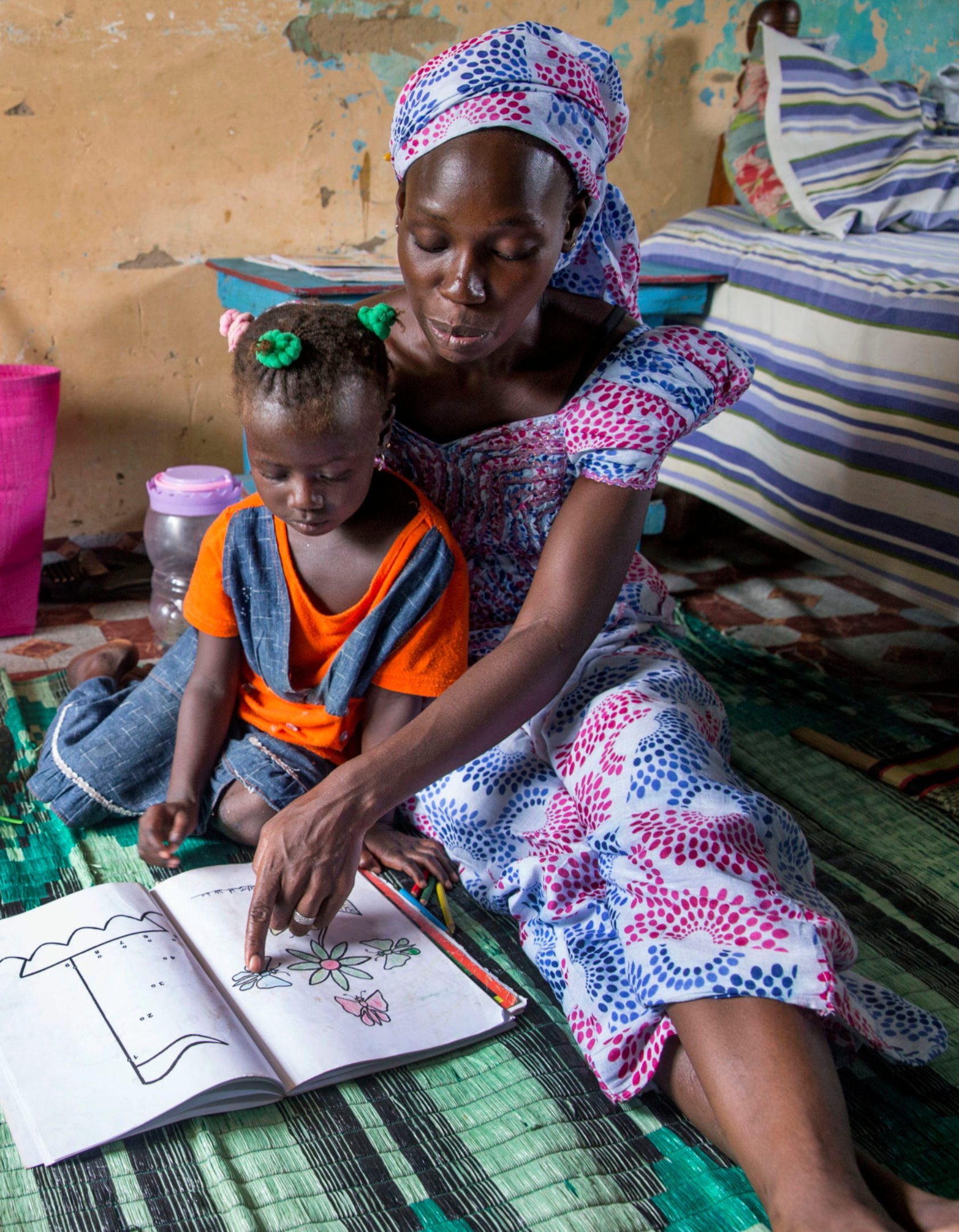
Home-Based Childcare (HBCC) is care provided by a community member, usually a neighbour and often in their own home, while parents work, study, or are otherwise unavailable.

Think of childcare as an iceberg. The visible tip is the childcare we tend to talk about in centres that policy and funding tends to reach. What sits below the surface is Home-Based Childcare: where most of the world's youngest children actually are, cared for by millions of women in their own homes and communities.

This care is trusted by families. In Kenya for example, Providers are referred to as Mama Mlezi, or ma’ mlezi, in Swahili meaning “the nurturing mother”. It is affordable, culturally familiar, and close to home. It is also available when other types would not be, especially during night shifts. Every Provider who opens her door makes it possible for a mother to work, study, or build her own future.

It is essential social and economic infrastructure, as foundational as healthcare and roads.

Every country has Home-Based Childcare. Almost no country has a system in place to support it.

    Supporting child development

    The first 5 years of life are crucial for brain development; for instance, children lacking early nurturing care are more likely to encounter difficulties in school, in turn reducing their future earnings


    Empowering women to enter the workforce

    Current initiatives to increase women’s income-generating opportunities are hindered by inadequate provision for childcare; affordable and contextually-relevant HBCC will enable more women to enter the workforce and achieve economic independence

    Empowering women in the care sector

    Women providing HBCC often do so on an unpaid and informal basis, and if they are paid, the income is not a living wage. Improving the quality and availability of effective, economically sustainable HBCC can elevate earning potential and economic empowerment

    How are we working to solve the problem?

    NurtureFirst operates as a systems catalyst. We build an enabling environment for Home-Based Childcare to function well, and work toward a future where those conditions no longer depend on NurtureFirst.

      Our country systems work is organised around four pathways:

      • 01
        Provider Recognition — We work with the government to create formal registration and recognition pathways that include HBCC Providers in health, nutrition, and education services.
      • 02
        Quality Improvement — We work with government and partners to develop practical quality improvement tools that reach Providers in ways that are affordable, culturally relevant, and sustainable.
      • 03
        Sustainable Financing — With government and partners, we strengthen open pathways for the Home-Based Childcare system, supporting provider livelihoods, quality improvement, learning materials, nutrition, and access to care. Financing may reach providers directly or enable families to access quality childcare.
      • 04
        Provider Voice and Leadership — We support Providers to self-organise, provide peer support, and engage in policy.

      We generate evidence, co-design policy with county and national government, and build structures that local actors can sustain without ongoing external support.

      Our Global Work

      We connect this Kenya-rooted work to the Global Home-Based Childcare Alliance , which NurtureFirst co-founded and hosts as Secretariat. The Alliance elevates HBCC globally by mobilising policy and funding, and by brokering knowledge.

      What We Believe

      Home-Based Childcare is a critical and irreplaceable part of the childcare system. It is the main care setting for the youngest children, and how most families in low- and middle-income countries access early care — though HBCC exists in every country, including high-income ones. Support for HBCC is needed if countries are to achieve universal access to quality, equitable, nurturing childcare.

      Childcare is a fundamental human right and a public good. We treat it as such in everything we build.

        Childcare is essential social and economic infrastructure, just like roads, or healthcare. It is needed for societies to flourish and for economies to thrive.


        Every child, regardless of where they are born or what their family earns, deserves access to safe, nurturing, high-quality early care.


        Childcare is work. Every Provider who delivers that care deserves to be visible to the systems around them, recognised as the professional they are, and financed to sustain their work.


        These are the foundational steps for children to develop well, for women to participate fully in economic life, and for communities to flourish.