
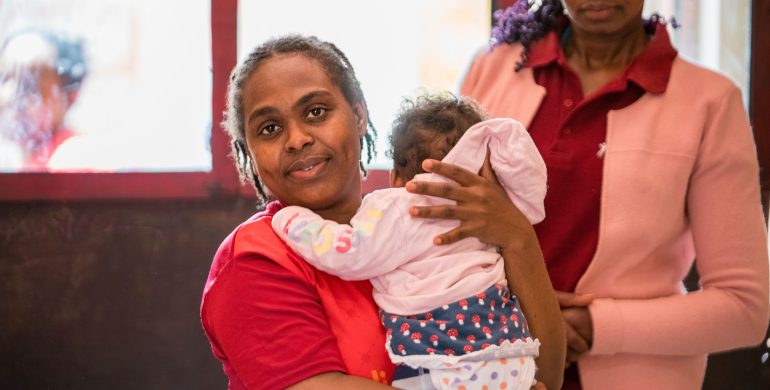
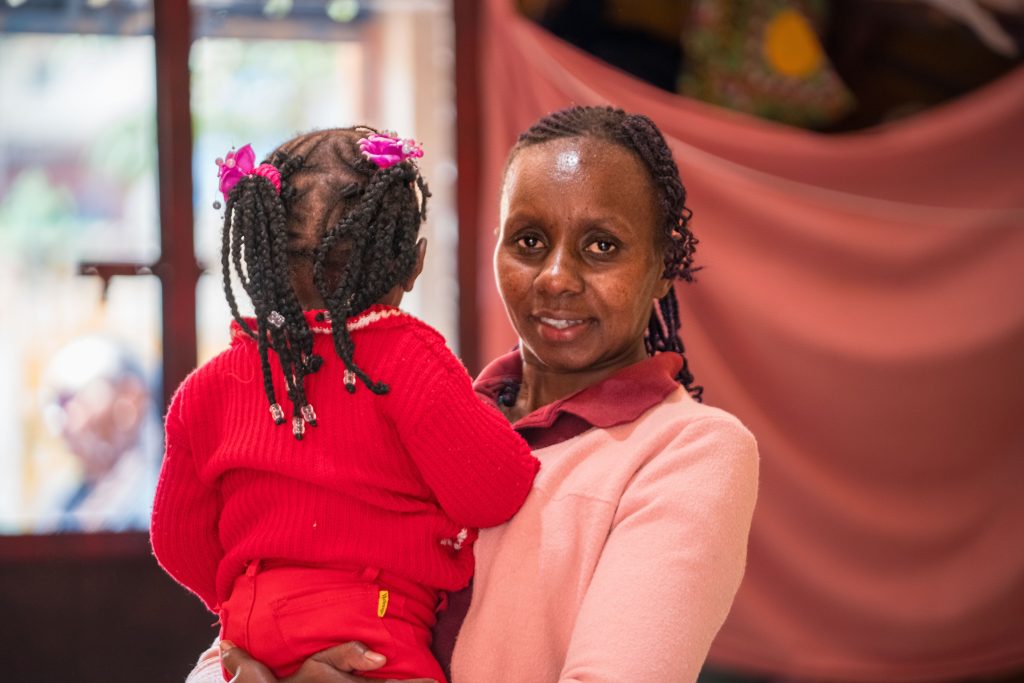
On a weekday morning in Mombasa, and many other parts of the African continent, a home-based childcare Provider opens her door to children who arrive before seven. By the time their parents leave for work, she is caring for three or four children under the age of three.
Commonly referred to as “Mama Mlezi”, Swahili equivalent for “the nurturing mother”, she feeds them, watches over them across the day until the parents / guardians return. She creates the conditions for them to play with whatever she has, which is often very little.
She is one of 5,350 home-based childcare Providers NurtureFirst mapped across Murang’a, Kisumu, and Mombasa, jointly caring for 21,784 children. She has no formal registration, and no connection to the systems that govern early childhood care in Kenya like most Providers, with only a few having some form of training. She is doing essential work, almost entirely alone.
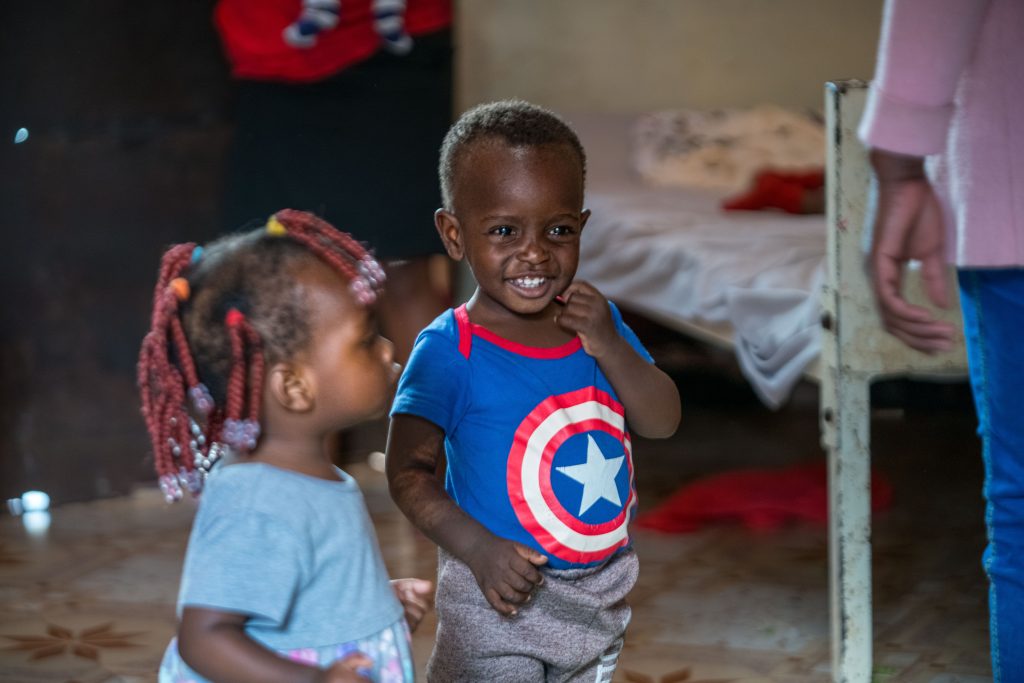
June 16 is the Day of the African Child, declared to honour the Soweto students who marched and were killed in 1976 while protesting for the right to learn in their own language. Fifty years on, the 2026 theme highlights that protecting children is ensuring universal access to water, sanitation, and hygiene for every child in Africa.
The International Day of Play falls in the same week. Play is how children develop language, cognition, and social capacity. But meaningful play requires a safe physical environment and something to play with.
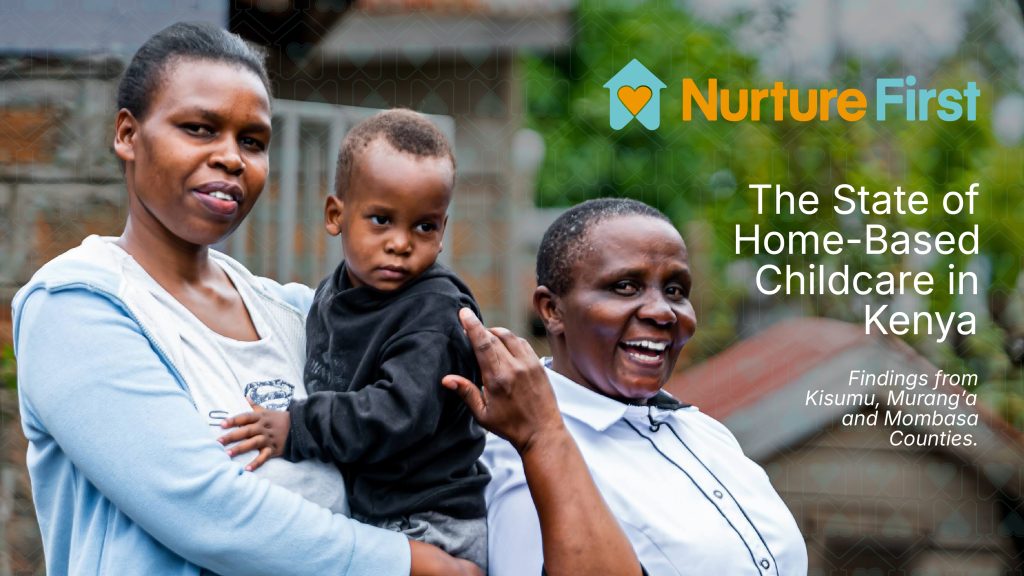
NurtureFirst’s Mapping revealed critical gaps in Children’s Play and Rights. Because Providers operate on very limited income, improving the physical environment is one of the most critical investments needed to protect children’s safety and wellbeing. This means that resources should be directed towards handwashing facilities, latrines, and age-appropriate toilets, not penalties for Providers who lack them.
On the physical environment: 58% of settings use pit latrines as their primary toilet. Nearly half of all flush toilets are shared. In 7% of settings, the only option is a bucket latrine or open defecation. Handwashing facilities meet minimum standards in fewer than half of settings. Age-appropriate toilets exist in roughly one in four. One in five settings has floors of earth or mud.
On play materials: 70% of Providers report not having adequate resources for the children in their care, and identify this as their single biggest challenge. Of those who do have materials, 57% rely on locally available items: sticks, leaves, mud. Only 18% have books, the most basic tool for building a child’s vocabulary, imagination, and early concepts.
Additionally, one in three Providers rents in an informal settlement, without authority to change the space she works in. Kenya has no national standards governing childcare infrastructure — no required water point, no sanitation standard, no minimum physical condition a setting must meet. 93% of Providers have never received formal early childhood training.
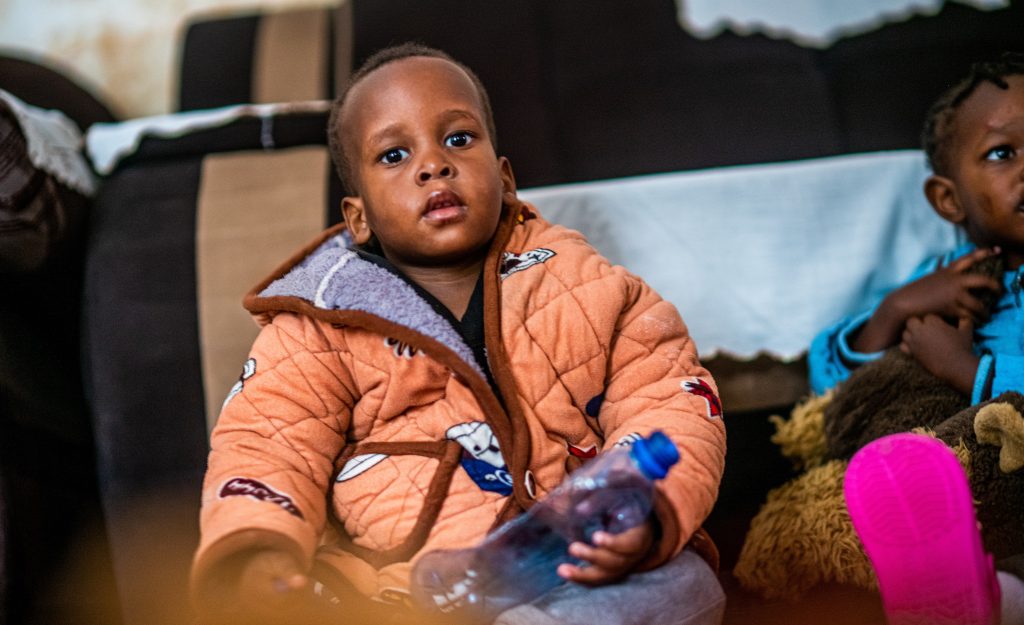
To say every child has a right to play is to say every setting where children play must be both safe and equipped. The 2026 theme identifies one half of that requirement i.e water, sanitation, hygiene. The data from three Kenyan counties shows the other half i.e. the materials, the books, the resources that make play possible.
But, it’s not all doom and gloom, something is already happening.
In May 2026, the Global Home-Based Childcare Alliance launched in Kigali. Seven organisations from seven countries committed to a shared agenda: the recognition and strengthening of home-based childcare as a core early childhood system.
“We’re not asking to expand home-based childcare. We are recognising that it’s already existing — how do we make it safer, how do we make it more effective?”
— Dr. Gacheri Njogu, NurtureFirst CEO, Kigali, May 2026
On the other hand,
“We don’t have to wait until the global majority has money to build centres everywhere before children access quality early learning.”
— Grace Matlhape, CEO, SmartStart, Kigali, May 2026
The sector is already there. The children are already there. The infrastructure needs improvement.
In Mombasa, providers formed a national association and brought formal proposals to the county government. Working with NurtureFirst, the county developed minimum quality standards for home-based settings (the first of their kind in Kenya) addressing space, ventilation, sanitation, and safety. The government is now developing childcare standards for the first time. With these standards in place, partners can work alongside Providers to strengthen quality through a stepwise, non-punitive process. NurtureFirst has already begun implementing this non punitive process through the ongoing Child Protection and Safeguarding training pilot delivered by implementing partners in Murang’a, Mombasa, and Kisumu.
So, fifty years after Soweto, the Day of the African Child calls us to reflect on the question, are we protecting Africa’s children in the physical places where they spend their days, and with the materials they need to play and grow?
Every child’s right to play is only real if the space where they play is safe and supported. On International Day of Play and Day of the African Child, NurtureFirst calls on governments, funders, and global partners to look clearly at where African children actually spend their days, and invest in those settings as the essential infrastructure they are. If you believe every child deserves to play, you have to believe every Provider deserves to be supported.
Sign up to receive the next article.
